
UnderCover Flex vs Ultra Flex: Which Hard Folding Cover Wins for Your Truck?
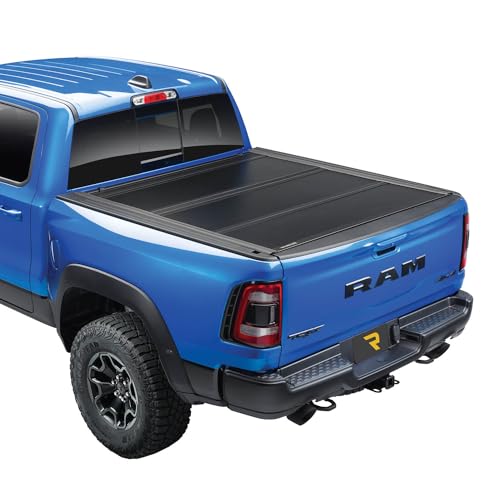
Choosing between our Flex and Ultra Flex hard folding tonneau covers comes down to how you use your truck bed. Both share the same aircraft-grade aluminum panels and matte black finish, but the Ultra Flex adds a fourth panel for tighter folding and higher payload tolerance.
We built both models for drivers who want secure cargo protection without sacrificing bed access. This guide walks through panel configuration, load limits, installation differences, and long-term durability so you know which cover fits your hauling routine.

Panel Count and Folding Mechanics: Three vs Four Sections
The Flex uses a three-panel design that folds forward in two stages, stacking near the cab when fully open. The Ultra Flex divides the same bed length into four narrower panels, creating a more compact fold that sits closer to the rear window.
That extra hinge point on the Ultra Flex reduces the folded stack height by about three inches compared to the Flex. If you regularly load tall cargo like toolboxes or ATV ramps, the Ultra Flex leaves more clearance between the folded cover and your gear.
Both models use the same dual-action hinge system we introduced on the UnderCover ArmorFlex, which locks each panel in the open or closed position without requiring separate clamps. The difference is purely how many times the cover folds, not how the hinges themselves operate.
Weight Capacity and Load Distribution Across Panels
We rate the Flex for up to 400 pounds of evenly distributed weight when closed and latched. The Ultra Flex handles 500 pounds in the same configuration, thanks to an additional crossbar running beneath the fourth panel.
That 100-pound gap matters if you stack heavier gear on top of the cover—think rooftop tents, kayak mounts, or full sheets of plywood. The Flex’s three-panel frame flexes slightly under loads above 350 pounds, while the Ultra Flex’s four-point support stays rigid up to its rated limit.
Both covers share the same aluminum extrusion thickness and the same heavy-duty rubber seals, so water intrusion isn’t a differentiator here. The capacity difference comes entirely from how the frame distributes weight across more or fewer support points.
Installation Steps and Bed Rail Fit: No-Drill Clamp System
Both the Flex and Ultra Flex install with our no-drill clamp system that tightens directly onto factory bed rails. You’ll find eight clamps on the Flex and ten on the Ultra Flex, spaced to match each panel’s hinge location.
Installation time runs about 30 minutes for either model when working alone. The Ultra Flex’s fourth panel adds two more clamp positions, but the process is identical: slide the rail into the clamp channel, hand-tighten each bolt, then torque to 15 foot-pounds with a socket wrench.
If you’re comparing the hard folding category more broadly, the UnderCover Select uses the same clamp hardware but features a single-piece solid lid instead of folding panels. The Flex and Ultra Flex sacrifice some security for the ability to access the bed without removing the entire cover.
Price Gap and Long-Term Value: Does the Fourth Panel Justify the Cost?
The Ultra Flex typically runs $150 to $200 more than the Flex, depending on your truck’s bed length. That premium buys you the extra panel, the higher weight rating, and the tighter fold—but not a different warranty or different materials.
We back both models with the same three-year finish warranty and lifetime structural warranty on the aluminum frame. Panel replacements, hinge kits, and seal strips cost the same for either cover, so maintenance expenses stay identical over the life of the product.
The value question comes down to whether you need the Ultra Flex’s specific advantages. If you rarely fold the cover open or never load more than 300 pounds on top, the Flex delivers the same weather seal and security at a lower entry price. If you haul tall cargo weekly or mount racks on the cover itself, the Ultra Flex’s tighter fold and stronger frame pay for themselves in flexibility.
Picking the Right Hard Folding Cover for How You Actually Use Your Truck
The Flex works for drivers who want secure bed coverage and occasional access without maxing out weight ratings or needing the tightest possible fold. The Ultra Flex suits those who load the cover itself regularly, haul taller cargo, or want the most compact stack when the bed is fully open.
Both covers deliver the same aluminum durability, the same finish quality, and the same no-drill installation our hard folding lineup is known for. The choice comes down to panel count and how that affects your specific cargo routine—not a quality or longevity difference.
If you’re still weighing options, measure your tallest regular cargo and decide whether the Flex’s fold height clears it. If it does, you’ll save money without losing functionality. If it doesn’t, the Ultra Flex’s extra panel is the straightforward fix.
Common Questions When Deciding Between Flex and Ultra Flex
No—the two covers use different frame extrusions and hinge spacing, so the panels aren't interchangeable. The Ultra Flex's four-panel layout requires a rail system built from the start to accommodate the extra hinge points.
If you think you'll want the Ultra Flex's tighter fold or higher weight capacity down the road, it's more cost-effective to buy the Ultra Flex up front than to replace the entire cover later.
Both covers fit the same range of bed sizes—5.5-foot, 6.5-foot, and 8-foot beds across most full-size truck models. The panel count doesn't change which trucks the cover mounts to, only how the cover folds once installed.
We manufacture each cover to match your truck's exact bed dimensions, so order accuracy depends on measuring your bed rail inside edge to inside edge before choosing a model.
Both use the same continuous rubber seal around the perimeter, so water intrusion in winter weather is identical. The Ultra Flex's fourth panel does create one additional seam along the top surface where snow can pack into the hinge gap.
In practice, that extra seam doesn't affect interior dryness—the seal runs underneath the panels, not along the hinge line. We've tested both covers in sub-zero temps and found no meaningful difference in ice buildup or seal performance.
Yes, as long as the cargo doesn't extend past the midpoint of the bed. Both the Flex and Ultra Flex fold forward toward the cab, so anything stored near the tailgate stays accessible when you lift the rear panels.
The Ultra Flex's narrower panel width means you can sometimes reach cargo closer to the cab by folding just the first two panels instead of opening the full cover. The Flex requires folding at least two of its three panels to access anything past the bed's centerline.
Both models lock only at the tailgate using the same rotating paddle latch system. The Ultra Flex's extra panel doesn't add separate locks—it just divides the cover into smaller sections that all secure through the single tailgate latch.
When locked, neither cover can be lifted or folded from the outside. The Flex and Ultra Flex offer the same theft deterrence, with the latch requiring either your truck key or the included backup key to open.
The Ultra Flex weighs about eight pounds more than the Flex due to the additional panel and crossbar. That difference is negligible when lifting—both covers use gas struts on each panel to assist opening, so neither requires significant effort to fold.
The extra hinge on the Ultra Flex does mean one more latch to release when opening the cover fully, but the mechanism is identical to the Flex's hinges and takes the same single motion per panel.